Words, video: Argyro Vourdoumpa, Photography: Razan Fakhouri
One of the first things that come to mind when I think of multiculturalism is the Adelaide Central Market. My friend Razan, an Australian photographer from Jordan, agrees.
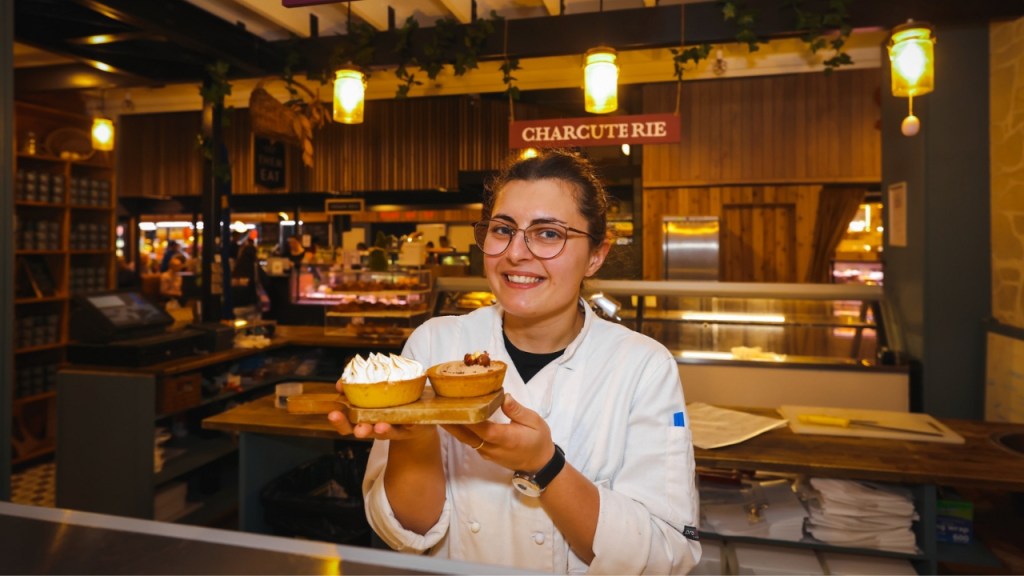
As we sit at the market on a cloudy Wednesday morning and sip our coffees -accompanied by a French Flan- we contemplate life, upcoming trips, and creative projects and brainstorm ways to face our challenges.
During our chat, I often pause to hear Audrey’s French accent, which sounds like music to my ears. Audrey is the girl with a bright smile behind the counter at Les Deux Coqs. She has been living in South Australia for three years now and loves the country and the opportunities she has been given.
Everyone has a story. I love stories.

For migrant women like Razan and me, the market is not only the state’s oldest market and a thriving hub of food and culture. It is also a place where we can share experiences and get advice from women who have left their homelands, have a story to share, and are not afraid to talk about the challenges they have faced or are facing during their journeys.
It is also a place where we meet new women migrants and feel the need to share a word and reassure them that they are not alone.
Soon, the market feels like a small community, like a home away from home.
International Women’s Day is long gone, but we have the idea to approach female vendors, take photos, and record some of their words.
Women need other women who will root for them, love them, value them, and stand in their corner no matter the weather or the geographic location.
Sunmi’s story
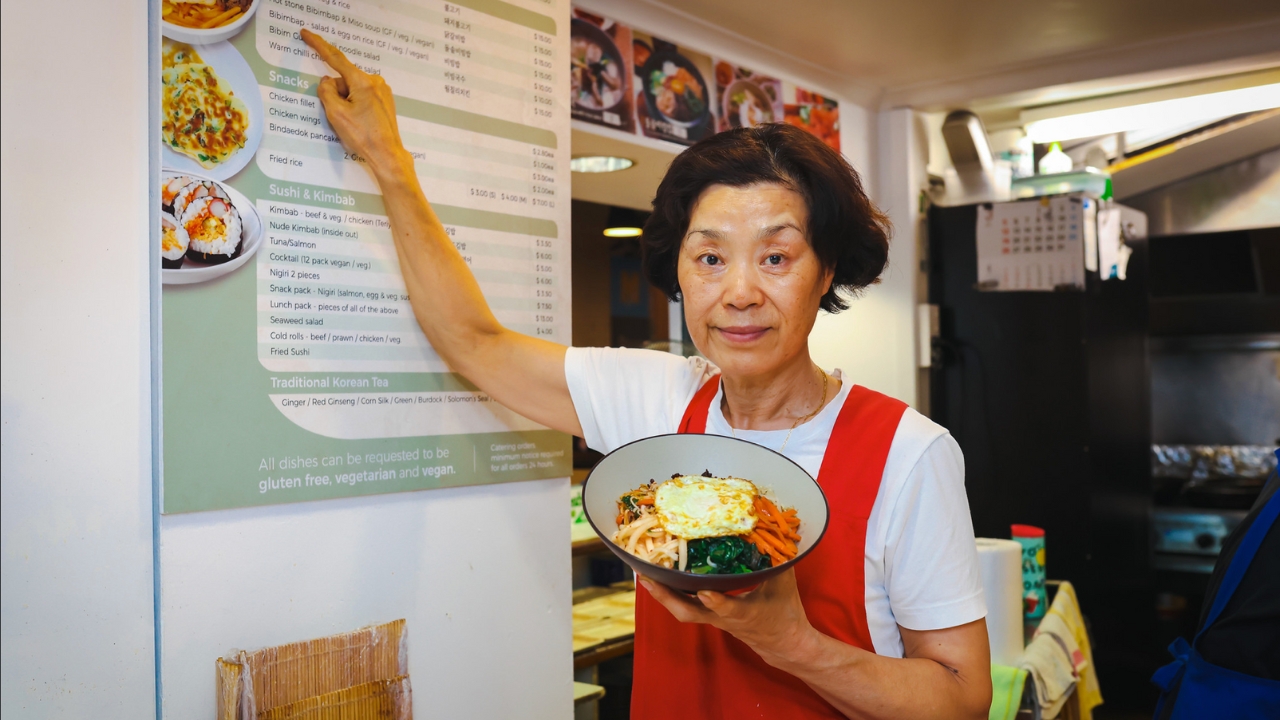
Sunmi Kim, owner of Sunmi’s Sushi for the last 26 years and one of the market’s trailblazers, welcomes our idea and encapsulates my thoughts in just one phrase.
“Women should be celebrated every day and not once a year,” she says boldly.
I couldn’t agree more.
While Razan was capturing Sunmi in her element the customers started to queue up in front of her shop. She had everything under control.
Only a few people know that Sunmi was an Olympic volleyball player in her country. She accepted a coach’s position in Adelaide after missing out on playing at the 1980 Moscow Olympics due to boycotts.
Her first years in Australia were challenging.
“People would tell me that I smell of garlic because of the Korean food I’d eat,” she says smiling, “then I would cook for them and invite them to enjoy my food before training.”

The stories of Adelaide Central Market’s female migrant entrepreneurs and vendors reflect on how far we have come and how long we have to go as a society until women’s contributions in every aspect of life are recognised and celebrated, regardless of their surnames, background, beliefs, and heritage.
Outside Sunmi’s stall, the queue kept growing, but she insisted on showing us how she prepares her popular Bibimbap (a bowl of rice topped with veggies, marinated meat, and egg).
She would only let us go if we tried the dish. Don’t even mention paying.
“It’s from me to you for doing this,” she said, and my faith in humanity was somewhat restored.
I knew exactly what went through Sunmi’s mind when she said that, and so did Razan. Where we come from, when inflation and the rising cost of living remind you of how challenging life can get, you hold tight to your values and share what you can with the community.
Sharing a meal is fundamental to our physical and emotional well-being, and Australia’s multicultural communities know that very well. It may be time to learn from them, how they do things.
I was never a fan of the quote, “There is no such thing as a free meal,” and it’s really satisfying to know that other people are on the same page.
Next time you crave colour and culture, warm smiles, or a crash course in multiculturalism and strong migrant women, head to the market. This is where a lot of them are.
Click on the photo below to see Razan’s full gallery:

 The Roving Storyteller
Leave a comment